spring surprise—
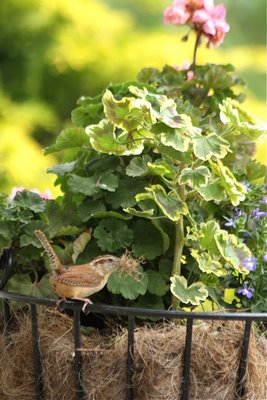
flooding the porch
with endless sweet songs
a spunky wren peeks
out of a hanging fern
This tanka was published in Ribbons, Spring/Summer 2026: Volume 22, Number 1 in “Tanka Hangout”

Photo by Julie Zickefoose on Blogspot
spring surprise—
flooding the porch
with endless sweet songs
a spunky wren peeks
out of a hanging fern
This tanka was published in Ribbons, Spring/Summer 2026: Volume 22, Number 1 in “Tanka Hangout”

Photo by Julie Zickefoose on Blogspot
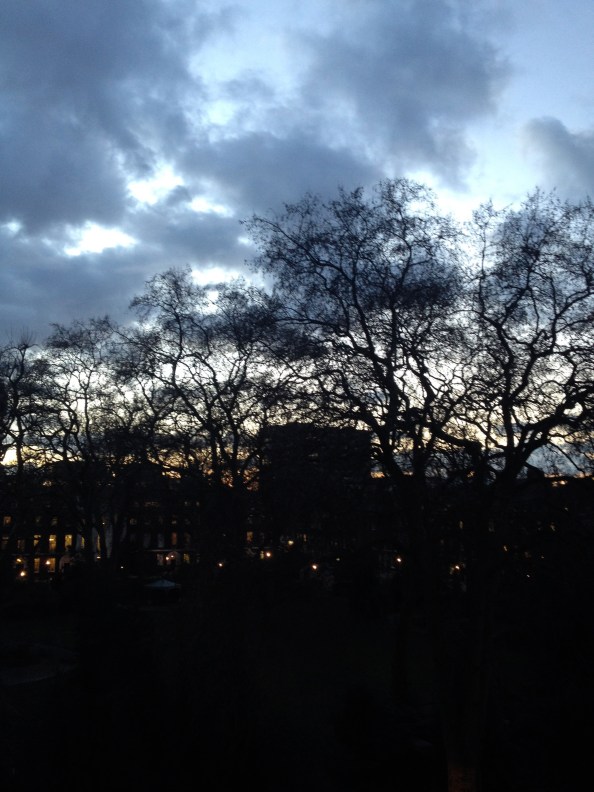
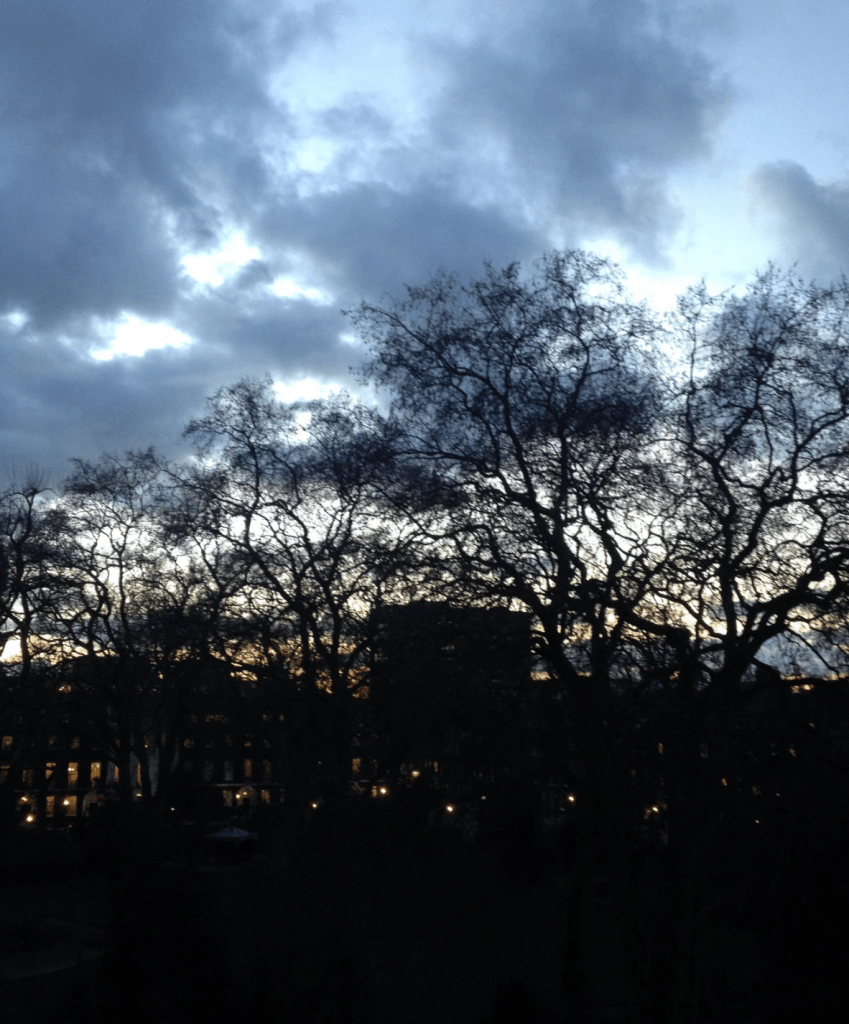
hidden from full view
stars on a cloudy night
still hurtling, burning and
singing their tunes—
unseen, I sing along
This tanka was published in Ribbons, Spring/Summer 2026: Volume 22, Number 1

Photo by Mary Kendall London Night Sky
In honor of this beautiful season, here is an oldie of mine:
spring . . .
hearing green
and only green
[published Hedgerow #130, Winter 2020]
This haiku has only six words and eight syllables. It’s subject is simple: spring. What does spring mean to you as a reader, a person, perhaps a writer (as many of you are)? I’m sure we could spend hours coming up with wonderful definitions and explanations of what spring is (scientifically) and what it means to us. Spring evokes all sorts of images and memories, does it not?
Synesthesia–a beautiful word to say aloud–is both a neurological condition and a literary term/rhetorical device. A neurologist might encounter patients who might visualize a color when smelling a scent or hearing a certain note or sound when looking at a color. In the haiku (above), I have used synesthesia as a rhetorical device. You may be very familiar with this term and use since it goes back quite a way (Homer used it). Here is a definition from the Poetry Foundation:
Synesthesia in poetry is a literary device that blends different sensory modalities—such as sight, sound, smell, touch, and taste—to create vivid, unconventional imagery. It describes one sensation in terms of another (e.g., “loud colors” or “sweet sound”) to evoke intense emotional or atmospheric responses, often blurring the lines between perception and description.
For some wonderful examples go to their site and read this:
https://www.poetryfoundation.org/education/glossary/synesthesia
I hope that this brief excursion into literary devices makes you suddenly aware of just how often synesthesia is used in the books you read or in songs and even in the commercials you see on television.
Remember when you were a child and you were taught about similes. You probably delighted in making up similes left and right. Literary devices expand our thinking and our perception by pushing us a little bit into making new (sometimes strange) connections.

As a follow up to my last blog, I’m reblogging this second lamentation that dates back to November 4, 2014.
Which classic myth would YOU choose to write a poem about? What grabs your mind and heart both?
The Second Lamentation of Demeter
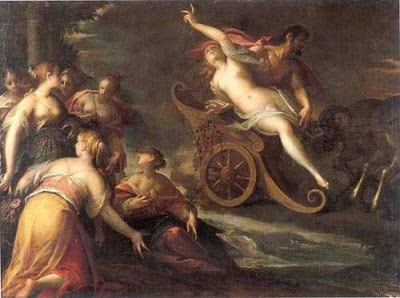
Persephone’s abduction by Hades is swift, violent and over so quickly that no one hears her scream except for Hecate, a goddess who helps Demeter find out where she has gone. Could there be anything worse for a mother than to lose a child? Demeter’s grief is profound. This is the Second Lamentation of Demeter.
To hear me read this poem, please click on the link below and wait a few seconds for it to begin.
The Second Lamentation of Demeter
The earth groaned, then opened briefly.
That’s all it took.
He appeared out of nowhere
Like a wild flume of fire,
The flickering golden chariot with
Four black stallions at full gallop.
He sprang upon her so quickly
That when the earth closed back
Upon itself like a wound healed over,
All that was left was a circlet of flowers
That she and the daughters of Oceanus
Had been stringing together. Irises, roses,
Violets, hyacinths, and the faded blossoms
Of sweet narcissus plucked by her hand.
The scar in the earth and grasses torn apart
Were all that told the story.
I always knew he watched her…
I sensed when he was around.
Clouds gathered overhead,
Shadows clothing him in darkness,
Hades,
To whom sunlight is a stranger.
My sweet Persephone is gone now,
Gone with him.
O, horror…
My sweet child is his.
Persephone’s abduction is well represented in art. It is my personal opinion that one need look no further than the magnificent sculpture done by Bernini in 1622. The details of the hands and arms as well as the force and resistance between their two bodies is powerful. Persephone’s tear stained cheek tells us more than any words can.
A Note to My Readers:
Here it is January 2026. My blog has been quiet this year for a number of reasons too long to list. But the most obvious reason is that of a block or mental ‘resistance’ to writing. Last year in 2024, I turned to sharing a few older poems of mine that I love. It was a good reminder to me of why I loved writing.
Today, WordPress showed me my latest stats. I rarely look at these anymore, but one thing I notice each time I see an update is that some of the poems I wrote relating to classical myths seem to be accessed the most. I wonder if, in this sad and tumultuous world and country (mine being the USA), we turn to mythology to find answers to timeless questions that appear and reappear over a lifetime. Who are we and why are we here? What is it we are looking for? What really matters? I am now 79. Those questions and many more have come up time and time again, and the answers have been quite varied over eight decades. What do you, dear reader, think? Why do we cling to myths and tales from long ago and from cultures we know only though history books, literature or art? I’d love to know what you think.
To honor some of these poems, I’m going to post my two Lamentations of Demeter, one at a time. To save some work, I’ll post the whole original poet from my blog. I hope you find some meaning in each of them or perhaps a way to think of something beyond our wild world of today.
Here is the original 2014 posting:
.
I’ve been looking over my writing notebooks written a while back but unread by anyone other than myself or my husband. The myths of Demeter and her daughter, Persephone, fascinate many including me. For a number of reasons these myths seem to appeal especially to women. Many of the great living women poets have written brilliant poems about Persephone (e.g., Louise Glück and Eavan Boland). The story is timeless.
.
In today’s poem I’ve written a Lamentation of Demeter. Demeter, the goddess of the harvest and grains, is often referred to as the mother-goddess since she represents fertility on earth. Her importance is indisputable. When she mourns for her missing daughter, Persephone (who has been abducted by Hades and taken down into the underworld by force) the seasons stop. Things stop growing and the earth begins to die before Persephone’s father, Zeus, intervenes. You know the story, but it is worth re-reading if you haven’t read any mythology for a while.
.
So what is a lamentation? The Oxford English Dictionary defines it simply: “The passionate expression of grief or sorrow; weeping.” Anyone who has grieved knows instinctively what it is to lament the loss of someone who is dearly loved. The feeling is painful and deep, and I think this resonates within us all. Demeter mourned her daughter’s abduction to a point where the earth nearly perished. This poem begins with her not yet knowing all that has happened. I picture her as a mother desperate to know what has happened to her child.
.
This is one of two lamentations of Demeter I’ve written. The second will follow at some point.
.
To listen to an audio recording of me reading this poem, click on the link below and wait a few seconds for it to begin:
.
.
The First Lamentation of Demeter
.
How is it that I don’t know where she has gone?
I warned her.
I told her time and time again not to trust them,
that there were those who so longed for her
they would stop at nothing.
And who was right?
Like all girls her age, she could be headstrong,
believing her own mother too old
to understand those yearnings.
I warned her.
Last night I watched the dog star rise up.
Its magnificent beams were like beacons
that might lead me to my lost child.
Why is it the stars are silent?
O, Sirius, your brilliant rays reach down
to us and yet your silence is puzzling.
Surely you saw where she went, my only child.
Will no one tell me where my Persephone has gone?
.
.

{Sometimes old poems ask to be reworked. This is a small example of just that.}
On Growing Old Together, A Love Poem
Will you scatter me over water
or throw me to the winds,
letting me float away?
Will your ashes mingle
with mine one day
when you too are gone . . .
Ashes to ashes . . .
Will you take my hand again
and hold me close against the wind?
Will your eyes always smile with mine?
Dust to dust . . .
Will our hearts travel as one
no matter where that might be?
Will our love be forever?
Two stars together.
November 2025
This is a love poem written for my husband. We met in 1974, fifty-one years ago. This poem originally appeared on this blog in 2015, but I was never really happy with the ending. It never felt “right” to me. Those of you who are writers will know the feeling. You will know that some poems are meant to pop up again for you to rework it until it really is complete, and this is what I have done.
Growing older together has been a gift to both of us. We have shared so much and grown so much. Love is the one constant in the equation we call life. This poem is dedicated to my beloved husband and to all who have loved and been loved.
I’ve recorded myself reading the poem should you care to listen. Just click on the button below and give it a half a minute to begin.


This haiku of mine placed in the Golden Triangle Haiku Contest in Washington, DC. Each poem selected appears on a placard in downtown DC. What delight to have this one accepted this past spring and what excellent company to have.
From their website:
The 2025 Golden Haiku competition set another record-breaking year, receiving over 4,750 haiku worldwide from all 50 states, D.C., and 66 countries. Youth participation reached an all-time high as well, with more than 600 haiku submitted by school-age poets. Winning and selected haiku were displayed on colorful signs throughout the Golden Triangle from March through May.
All entries were reviewed and judged by a distinguished panel of published haiku experts including Abigail Friedman, Lenard Moore, and Kit Pancoast Nagamura.
Golden Haiku follows the Haiku Society of America’s guidelines for modern haiku, which does not require the traditional 5-7-5 structure. Removing the strict structural requirements for syllables frees the author to use evocative language to capture a moment or expression of beauty in a short, descriptive verse.
This is an old poem that was originally posted in the early days of this blog, back in 2015. My writing lately has come to a standstill, but rereading things written a while ago is often a way to trigger a creative response. (Let’s hope it works.)
The poem was written when we were living in London for a spring term with university students who were studying abroad. Wonderful memories of that group who are now fully grown and probably leading interesting lives.
We live in Chapel Hill, North Carolina in a beautiful rural development that is filled with gardens and trees. Our single acre plot is divided into flowers, vegetables, invading weeds and cultivated trees. The back half of our acre is woodland and beyond that runs a small railroad track that is used for a daily single train that carries coal to the university nearby. Sounds are important. In winter we can hear a distant passenger train at night. In summer it’s blocked by all the greenery. Chapel Hill is truly verdant as is the nearby town of Hillsborough. Our trees are a mixture of hardwoods (oak, hickory, beech and evergreens (mostly loblolly pines but a few small cedars and hollies). Our beautiful Camellias bring winter color and our small (hand-dug) pond delights us with frogs serenading one another. Southern summers are never quiet. Katydids and Cicadas sing during the hottest part of the year, and all sorts of songbirds visit as we work in the garden or sit on the screened porch.
One of my favorite parts of living here is listening to the trees blow. Whether a storm is coming or not, the very tall trees have a life of their own as they blow and move. It is quite often a very sacred sound.
The trees today brought to mind this ten year old poem for me to reread (and now, to repost).


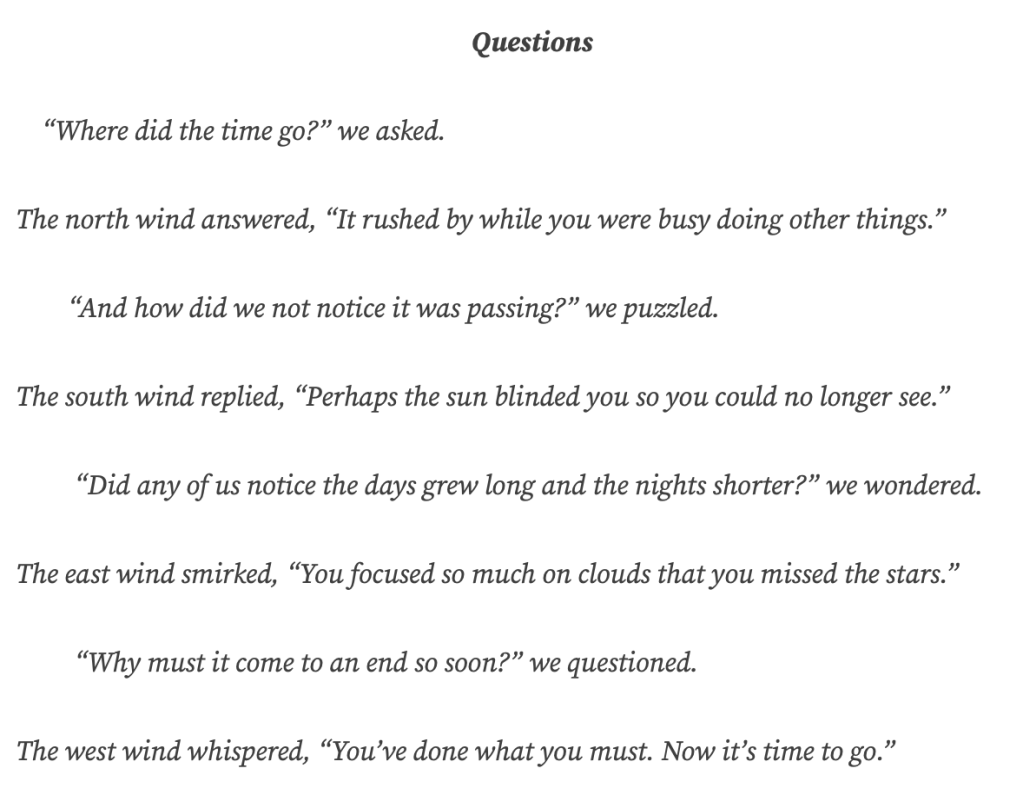
Questions was originally published on this blog on June 19, 2015.
Ten years ago and still the same questions arise.
I hope you enjoyed reading this “oldie” today.
Poem for my Father, a Soldier
(for Jan Ciosmak, d. 1955)
Only 20 when you left home,
Fleeing the war in Europe.
Leaving behind all you knew,
Leaving behind your parents,
And your eight sisters.
You, the only son.
Coming to a country, but not
Knowing the language or customs.
Not having any waiting friends.
That took courage.
When you told your family
That you were leaving, knowing
They’d never see you again
Or you them,
What went through your mind?
Did your mother weep uncontrollably?
Did your father pat you on the back?
Did your family urge you to flee?
Did they fear invaders and death?
No stories came down to us,
And so no stories now remain.
Time passes.
All I remember is being told
How you fled the big war in Europe,
Only to be conscripted here
To fight in your new country,
The US Army calmly taking you,
You who were already uprooted
And leading you back
Over the ocean, back over the sea.
I’m sure the irony was not lost on you.
This time you wore Army khaki.
Did you wear it proudly?
A brand new uniform all crisply pressed,
Thick leather boots ready for
The fields and the trenches.
A soldier now, they said.
They prepared you well, it seems.
You survived the trenches, and
You survived Meuse-Argonne.
Did you understand the French?
Was English now your tongue? Did
Your ears yearn to hear the consonant
Rich language of your first home?
Time passes.
What was it like standing hidden
In earthen trenches, the acrid air,
The bullets spent, shell casings underfoot?
How many other boys suddenly
Grew into men in those French fields?
I picture you there, not knowing,
Wondering how your family was.
And you, all alone.
Could you understand enough
To hear someone’s dying words
Or maybe to learn the story about
A young family waiting back home?
Did you share your own promises
And hopes or were you silent?
Time passes.
And then it stopped.
On the eleventh hour of the eleventh day
Of the eleventh month,
all fighting stopped.
Sudden and eerie silence.
What was it like to realize
You were now safe, and
Had your life ahead of you?
A life. Your life.
You had it free and clear.
You were one of the lucky ones.
Why you but not them?
Did you grieve during the dark
Nights of all the loss you’d seen?
Or did you push it all deep inside
Letting it exist in its own private place?
The price of freedom is so dear.
The loss of soldiers, so much life
And stolen youth. The veterans
Who made it back in pieces,
Who were never the same,
Could never be the same.
No one left unmarked.
Yes, the price of freedom is so very dear.
A price paid over and over in so many wars.
Time passes.
Long after you died, and I was finally grown,
I found your Army papers that said only
That you were honorably discharged
And had fought in those famous battles
In such faraway, strange places.
The places you lost your youth
And became a seasoned veteran,
A man of courage, a solider who was
One of the lucky ones. I hope you wore
Your uniform proudly, knowing that you
Were one of so many brave men.
French, English, Polish, American,
The list goes on for the victors.
But I mourn all who were lost.
On all sides.
So many mothers wept, and it continues
Even today. The loss is great,
But freedom is never cheap.
We who sit and write these poems,
Read those books, watch those movies
About wars, any wars, all wars,
Must always remember those who
Fought, those who served.
Those who died.
Those who survived.
They all served.
They all sacrificed.
Let those scarlet poppies bear witness
To the blood shed by all who have gone to war.
Let the trenches remain closed,
Let the flowers grow so that farmer’s
Fields remain at peace,
Remain at peace forever.
Time passes.
War passes.
Courage remains.

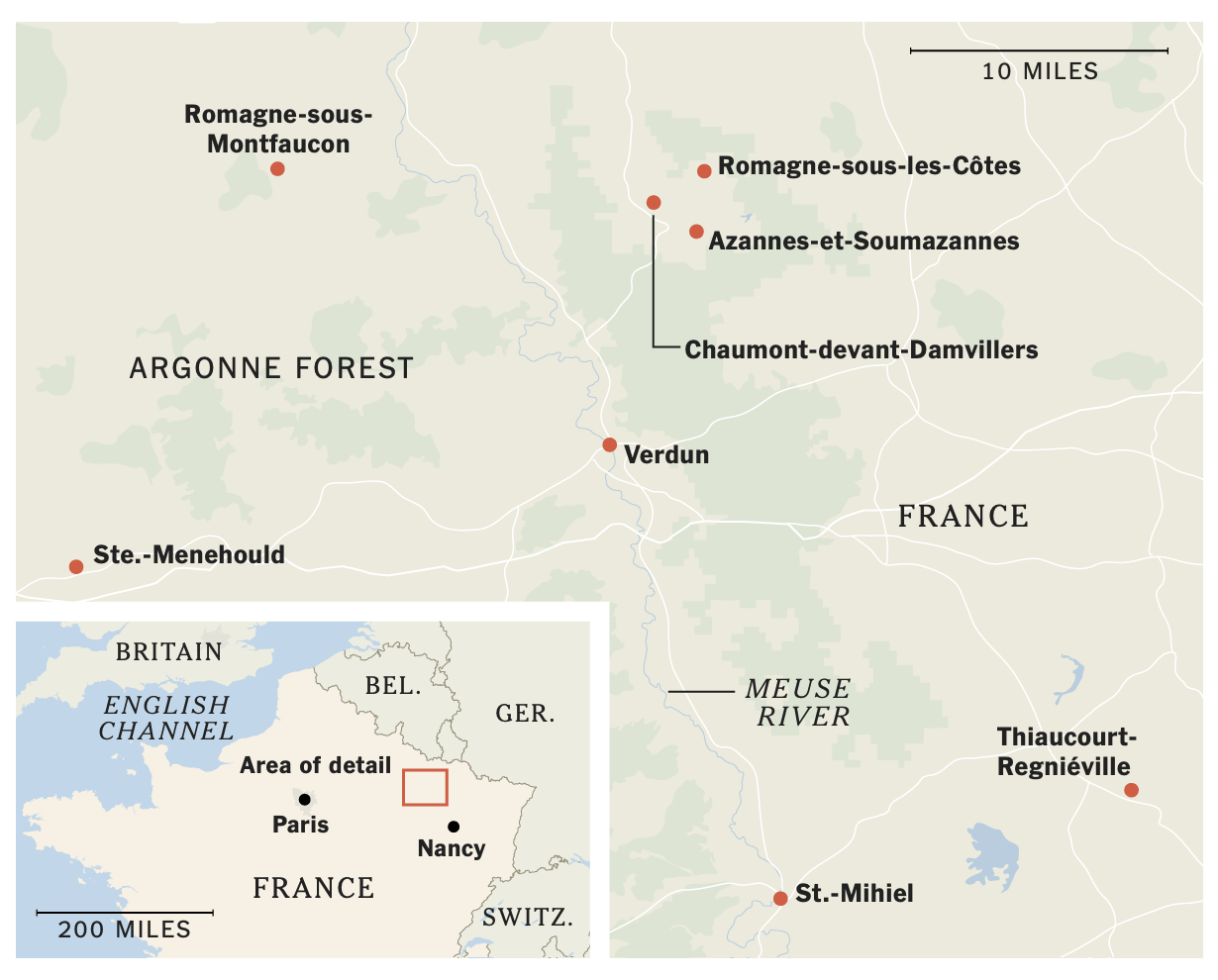
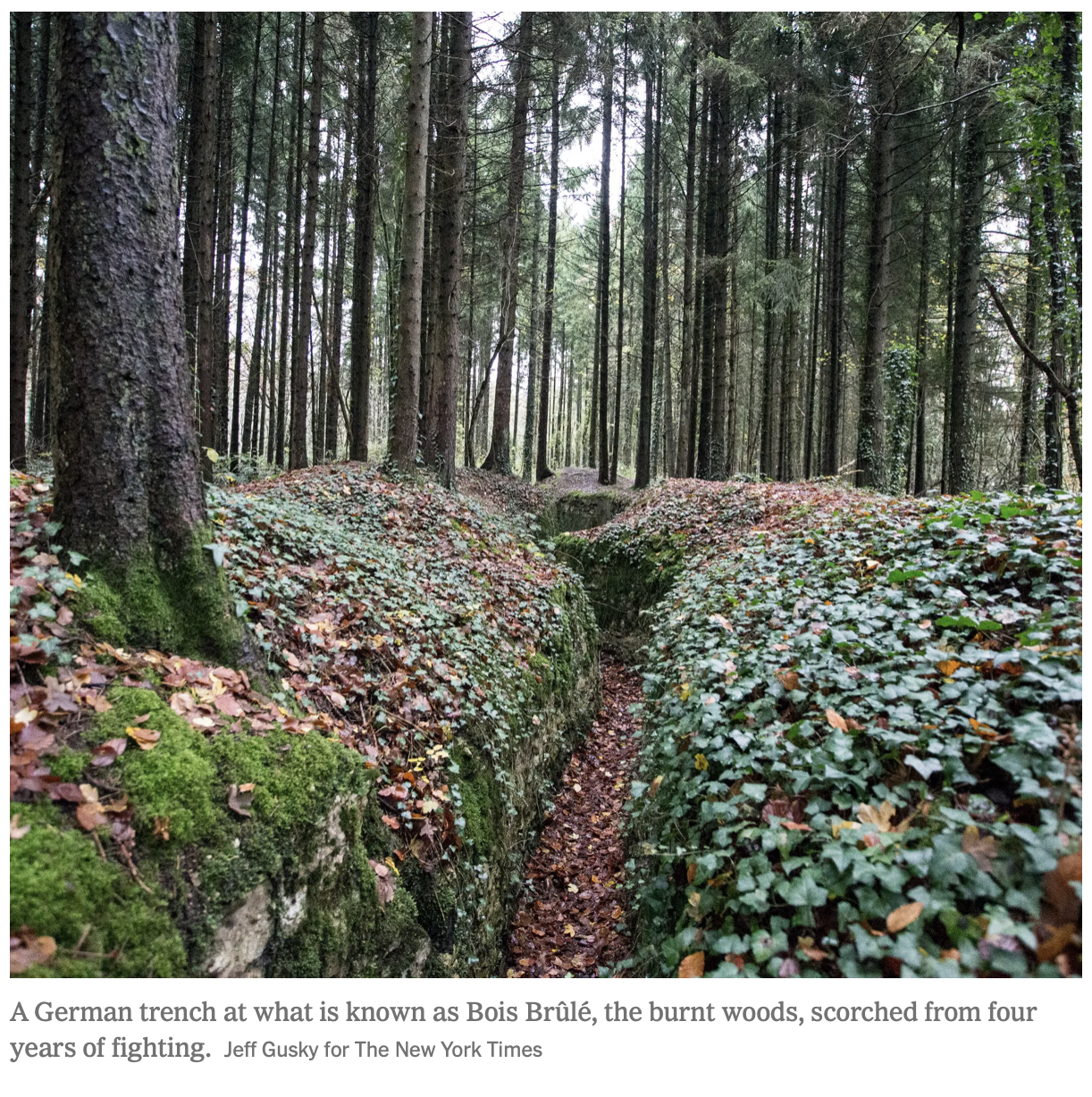
Note: I’m now 78, but my much older father fought in WWI in France, shortly after emigrating to the United States of America. I barely knew him. I never knew his story. But he had his story just as we all do. Why he left Poland and his family while so young is not recorded. No one is left to answer those questions. The one certainty is that he did his civic duty when called. He fought in one of the bloodiest battles in France. It’s nearly impossible to imagine all he saw, did, witnessed.
Below are a few photos I found alongside some excellent articles in the New York Times on the Battle of the Meuse-Argonne.


.
A tanka published in
Gusts No. 40, Contemporary Tanka, Canada,
fall/winter 2024
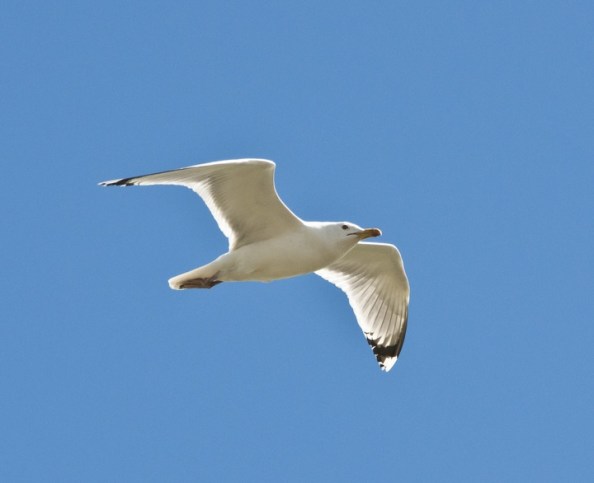
sea birds
ride the thermals
beyond steep chalk cliffs—
I wonder what they hear
in the swirling wind

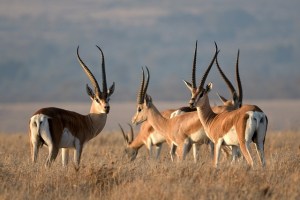
shape-shifting
in my dream, I leap
and run with graceful gazelles
able now to outpace
all that awaits
.
.
A tanka published in
Gusts No. 40, Contemporary Tanka, Canada,
Fall/winter 2024

Image by xi Serge from Pixabay
Three tanka published last February in the lovely journal, GUSTS:
Gusts No. 38 Contemporary Tanka, Canada,
Fall/Winter 2024

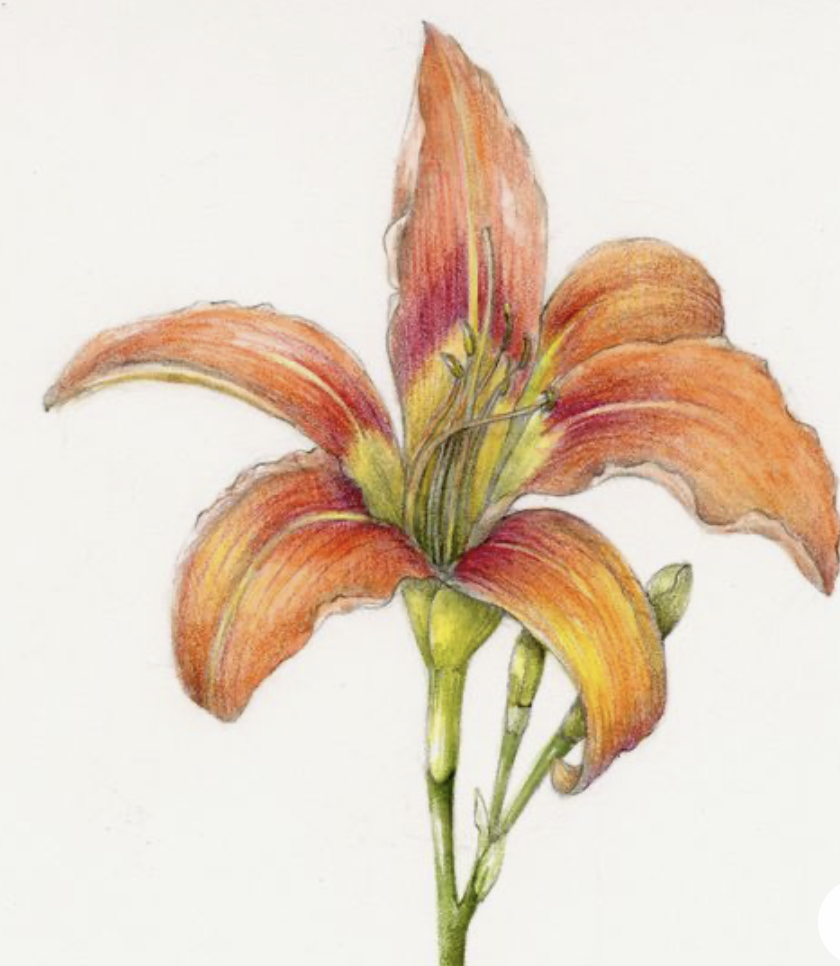
Compliments of “Draw Botanical”
a day lily blooms
for a single day
this brevity
a wonder to some,
unsettling to others
![]()
poor brown moth
trapped in a web
the more you flutter
the tighter those
fine strands pull
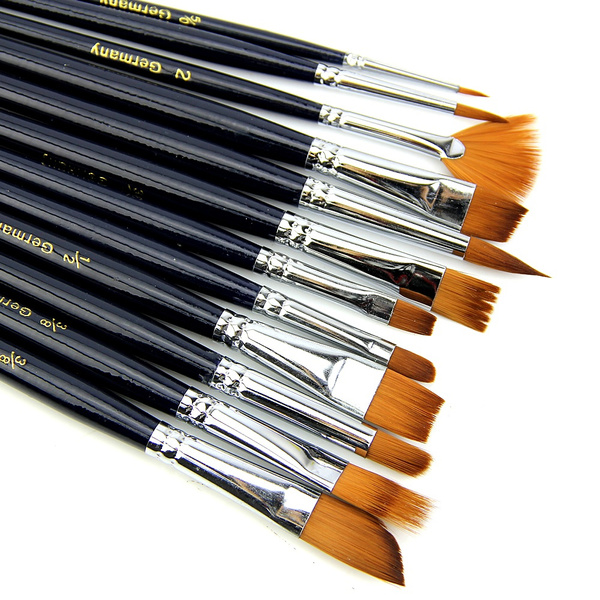
the art aisle holds
such soft sable brushes
wedge, round, pointed, flat
patiently waiting
to adorn my words

Ribbons 31 Fall 2023
(Journal of the Tanka Society of America)
Italian gelato names
slip off our tongues
so happily—
sweet memory
of that day in Florence

Hai fame?
~
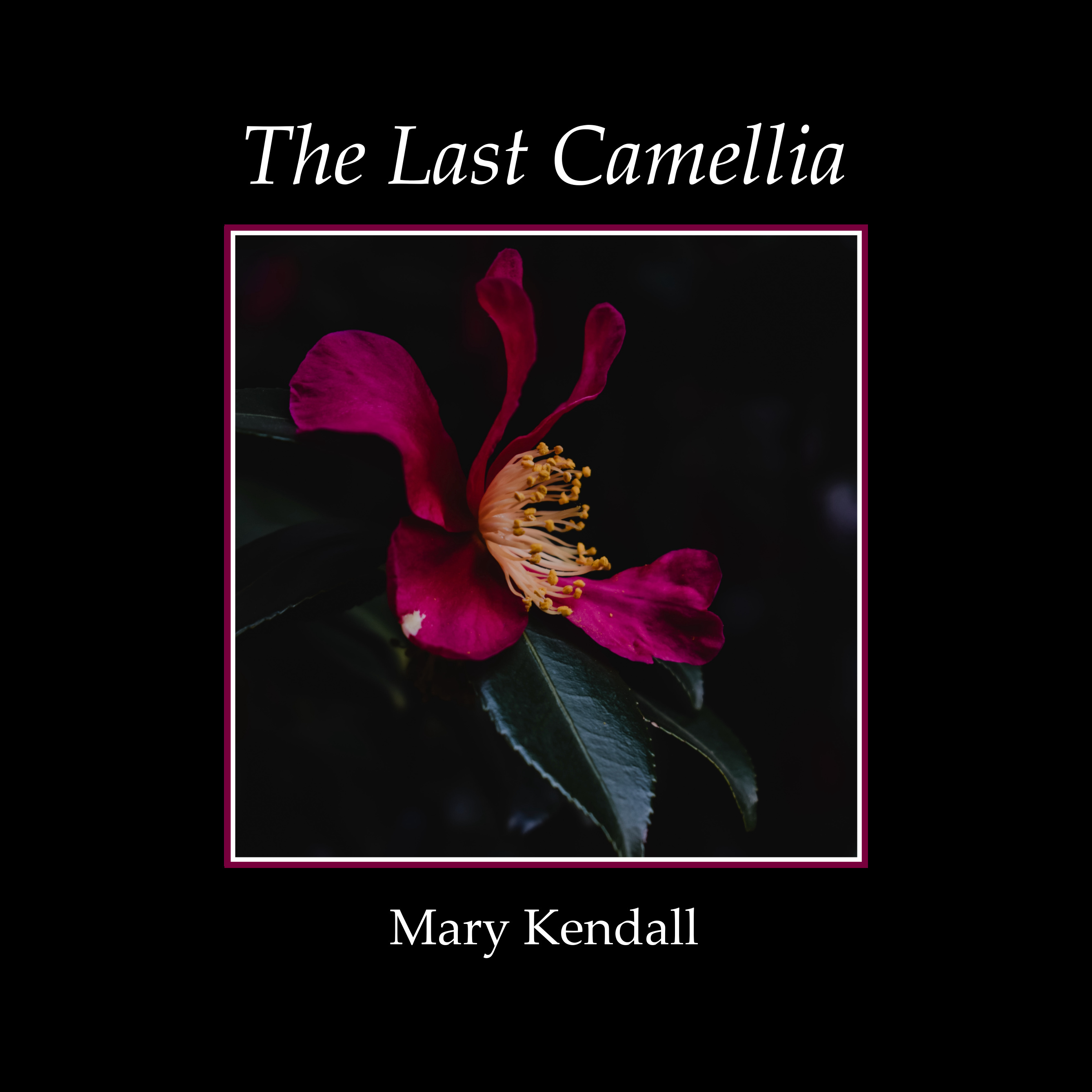
It’s official now. My newest book has just been published, and I am absolutely thrilled with how beautiful it is. Holding it in my hands for the first time filled me with such emotion. Writing and even publishing individual poems is always exciting, but seeing and reading a collection of your own work is very powerful. The Last Camellia is a collection of tanka, haiku, senryu, haiga and tanka art.
.

Cover image by Eva Bronzini
.
The book has been published by Velvet Dusk Publishing and edited by Christine L. Villa (Chrissi) who is a splendid tanka and haiku poet. Along with Chrissi, the book was initially shaped into manuscript form by another excellent poet friend, Susan Burch. For a long time, I wanted to put together a book of both tanka and haiku but was unable to figure out how to juxtapose those two forms in a collection. Susan took up the challenge and skillfully and sensitively placed tanka and haiku, senryu, haiga and tanka art into what became the first draft of The Last Camellia. Chrissi and I then worked in editing and polishing the book. This process took a fairly long time despite the poems being so small. Placement of poems is actually a challenging process. We made a few changes of haiga and tanka art because they had to be reproduced in black and white rather than color (color would price the book too high–we both wanted to keep the book affordable).
~

.
Back cover book blurbs:
.
At times we all “stand too close” to ourselves. Beginning with “a childhood spent / in secondhand clothes,” Mary Kendall’s The Last Camellia documents her navigation through grief and the quest to rediscover herself. In doing so, images from the natural world float in and out of her poems like “the soft rustle / of quivering aspen leaves.”
The poet links and shifts three Japanese forms—tanka, haiku, haiga, and tanka art—in a garden of exquisite images. Shadows and silence remain after “a feeling of you / standing behind me.” A red-bellied woodpecker “flaunts his drumming skills.” A newborn faun wobbles “in old-growth grass.”
One cannot fail to notice the sensitive way Mary explores emotions—doubt, loss, sorrow, and the joy of finding oneself. In one revelation, she shows us how “it took sixty years / to find the voice I lost.” Her signature tanka, “the last Camellia,” concludes: “it has taken a lifetime / for me to notice / the beauty in myself.” Each poem is a flower, budding slowly and opening to reveal its fragrance. This is not a book to be skimmed through. It is one to sit with, savour, and quietly celebrate its images of human love and frailty. From this subtle collection, we discover the universal beauty that blossoms in our own souls.
—Hazel Hall, author of Moonlight over the Siding
The Last Camellia is a beautiful compilation of Japanese short-form poetry. Mary Kendall deftly employs poetics and Japanese aesthetics in her work, creating an evocative and engaging collection. Her haiku juxtapose the natural seasons with seasons of her life, true to the heritage of this poetic form. Her tanka, these “short songs,” link and shift from vivid nature imagery to a thoughtful reflection of her inner landscape.
The poet details memories of travels, of grief and loss, and the beauty of imperfection. The subtle sequencing of her work adds depth to the themes she presents, such as in this exemplar: “miscarriage . . . / the very word/betrays / the promise /of hope” to “this haiku abandoned nest / four blue eggs / but no answers.”
The Last Camellia is worth several readings to relish the insights therein.
—Carol Judkins, author of at the water’s edge
~

Mary Kendall
Copyright 2023

~ ~ ~
Three tanka published in
Gusts No. 37 Contemporary Tanka, Canada,
Spring/Summer 2023
~
I grow old now
and dream of a journey
I will never take
. . . the aurora borealis
dances, but does it sing?
~
the emptiness
of losing a friend—
never understanding
what I did or
what you felt I did
~
such soaring voices
pure soprano & alto notes
in a boys’ choir
each singer’s gift destined
to change course
~ ~ ~
.
.
Notes:
(1) All tanka by Mary Kendall © 2023
(2) Photo by stein egil liland
https///www.pexels.com/photo/mountain-under-aurora-borealis-9636388/.jpg
.
Ribbons, the journal of the Tanka Society of America is a favorite of all tanka poets. It’s always an honor to have poems accepted for publication. Here are some from the last two issues.
.
.
Ribbons Winter 2023: Volume 19, Number 1
crisp golden leaves
ready themselves for flight
. . . I was just five
when you walked out
and left us all behind
Also, in Ribbons’ Tanka Hangout:
winter winds
wildly whip limbs
boughs & branches –
come closer and hear
my heart hum along
.
Plus a collaboration with Christine L. Villa–her beautiful art and my tanka that was inspired by it:
.

.
Ribbons Fall 2022: Volume 18, Number 3
.
the unmistakable scent
of ripe Anjou pears –
remembering
his low voice as he read
Verlaine aloud

.
‘Tanka Studio’ in Ribbons Fall 2022
.
speaking in an even tone
that gives nothing away,
your inscrutable gaze
was always a challenge
for me to decipher
.
All poems (c)by Mary Kendall
Springtime in Verse is a series of blog posts inviting you to learn and gather around poetry with the Ackland. Today’s featured poet is Mary Kendall.
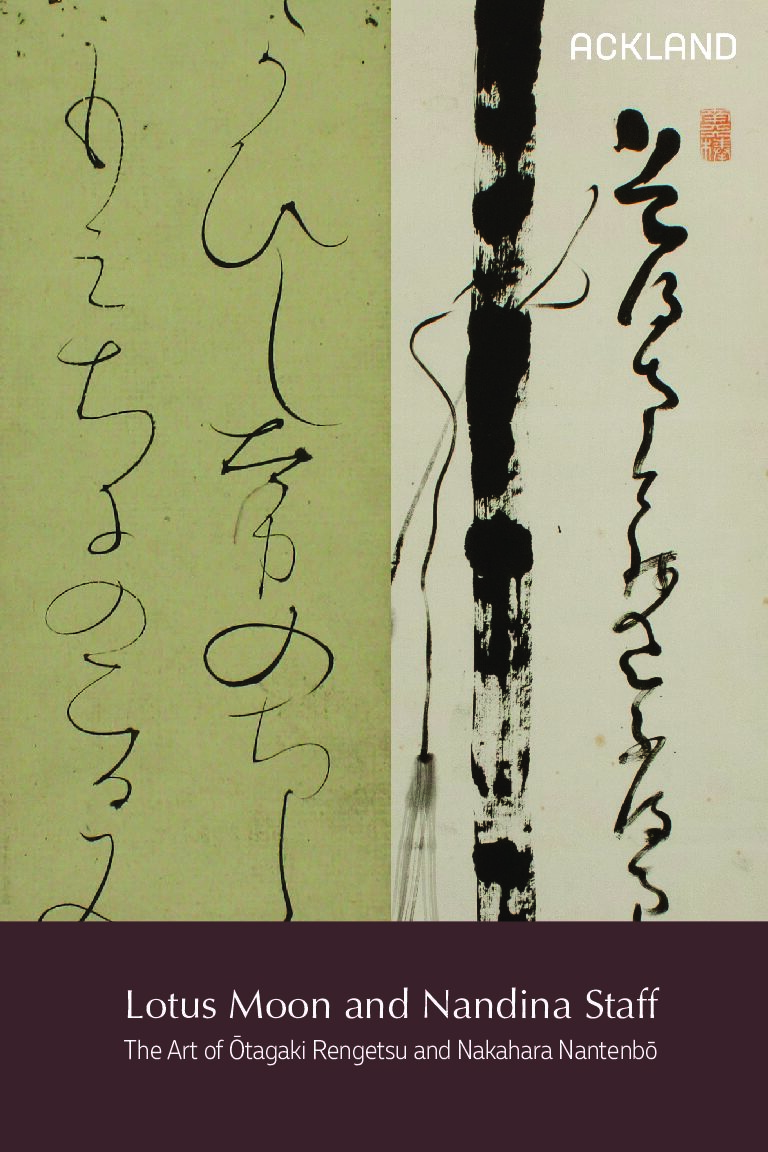
Mary has shared a selection of her tanka poems in celebration of the Museum’s current exhibition, Lotus Moon and Nandina Staff: The Art of Ōtagaki Rengetsu and Nakahara Nantenbō. Follow our blog throughout the month of April to enjoy more original works by celebrated North Carolina poets. We are so pleased to present to you this exhibition and the original works written by poets from the local community.
plum blossoms—
watching you
struggle for so long
I remember how brief
a season is
all those words
I wish I could forget . . .
the smoothness
of dark pebbles
clutched in my hand
from slabs
of common clay
delicate cups
that hold the scent
of jasmine tea
whistling wings
of Tundra swans
over the marshes
. . . what is this power
you hold over me
past the edge
of darkness, an owl swoops
and grabs a vole
. . . reckoning comes
at lightning speed
the pale twilight
of a hospital room
fading, fading
as you said
your last goodbyes
a soft rain falls
as you work in the garden …
what I’d give to read
the chapters of your life
you never share
stopping to study
fritillaries, tulips
and jonquils –
the sudden way
you take my hand

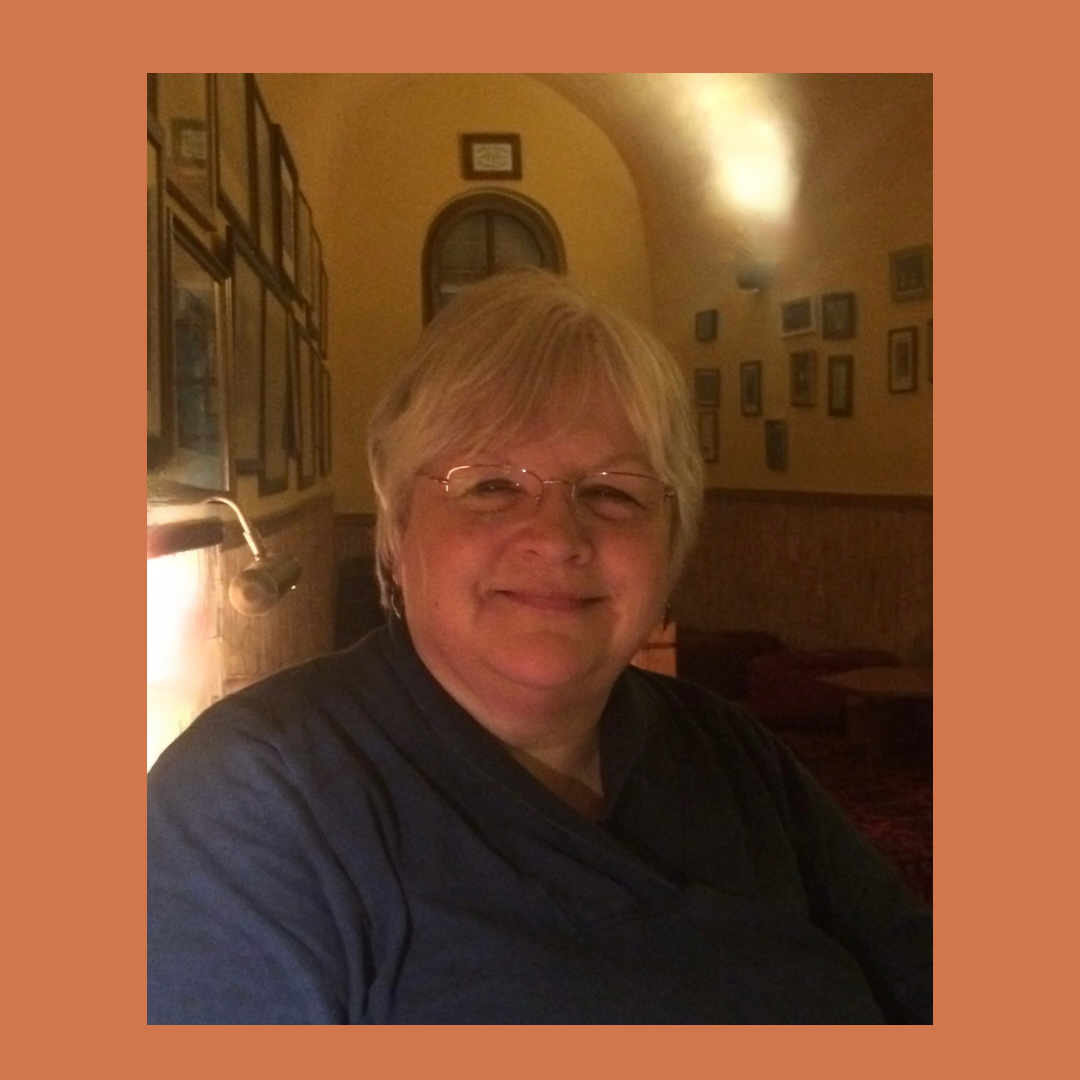
Mary Kendall lives in Chapel Hill, North Carolina. She is a retired reading teacher and the author of two books, A Giving Garden, a children’s poetry/photography book (co-authored with Debbie Suggs) and Erasing the Doubt, a chapbook of free verse (Finishing Line Press, 2015).
In 2023, her third book, The Last Camellia, will be published. It is a collection of both tanka and haiku as well as some haiga.
Mary has a poetry blog called A Poet in Time.
Having written poetry for many years, Mary fell in love with Japanese short form poetry about twelve years ago. Tanka is her great love, a form that feels most natural to her as a lyric and meditative poet, but she loves the challenge and discipline of writing haiku and senryu as well. She creates haiga and tankaand has published a good number of each. Her poetry has been published in many print and online journals such as The Heron’s Nest, Acorn, Modern Haiku, Presence, Blithe Spirit, Eucalypt, Kokako, Wild Plum Journal, A Hundred Gourds, Ribbons, Gusts, Skylark, Failed Haiku, hedgerow, Prune Juice, Under the Basho,and Rattle. Some of her poems have received various honors in poetry contests and one was nominated for the Pushcart Prize.
ABOUT THE EXHIBITION
Lotus Moon and Nandina Staff presents and contrasts the work of two major Japanese artists of the nineteenth and early twentieth centuries, taking its title from translations of their names. Ōtagaki Rengetsu (1791-1875) was a Buddhist nun who became very well known as an important poet focusing on the traditional wakaverse form, rendering her poems in elegant but strong calligraphy on paper and on ceramics that she often formed herself; Nakahara Nantenbō (1839-1925) was an influential and strict Zen Master famous for his energetically and expressively brushed calligraphy and paintings.

Published in the Spring/Summer 2023 issue of Ribbons,
the Journal of the American Tanka Society
A Tanka Sequence by Mary Kendall
At Giverny
Sunday drive
from Paris
to Giverny . . .
anticipation
half the delight
we stroll through
Monet’s small village
the brilliance of greens
tints of lilac, silver
& old rose
his beloved home
full of color
& memories of children
playing, voices
long forgotten
all these years
together, your steps
in time with mine –
the unexpected scent
of old damask roses
stopping to study
fritillaries, tulips
& jonquils,
you reach out
& take my hand
soon we are adrift
in a huddle of lilac blue
stars of Agapanthus –
our lifetime together,
a flicker in time
~ ~
Author’s note: The French Impressionist painter, Claude Monet, lived with his family in a charming house in Giverny for over forty years. While the house is quite interesting to visit, it is Monet’s beautiful gardens where most visitors want to wander. My husband and I visited Giverny in 2013, and our memories are deeply treasured by both of us.

I am still catching up with published poetry. Blithe Spirit is the publication of the British Haiku Society. They selected two haiku and two tanka of mine to publish in the winter issue.
Blithe Spirit Fall/Winter Issue 2022
1.
brevity
the ripeness
of a pear
2.
children
fragile as blossoms
learning to let go
3.
fragrant spices, each
with a story to tell,
a bit of this, dash of that
my pen moves as if
propelled by a stranger
4.
scent of beeswax
melting as we draw
invisible designs
on our pysanky eggs—
forgotten childhood
.
Three of my poems appeared in various poetry anthologies in 2022:
~
a brief sigh
as your scan is finished –
far above us
sunlight edges its way
through swift moving clouds
Tanka Society of America 2022 Anthology
~
in a pile on the floor
sand, swimsuits, towels
and a single sea star . . .
how did such beauty slip
unseen into my life
Linda Jeanette Ward Anthology 2022
(An anthology in memory of the late tanka poet,
Linda Jeanette Ward.)
~
broken ice on the river –
fragmented memories
now rise up
British Haiku Society
Members’ Anthology 2022
Theme: “Water”
~

stinging nettles –
things that were said
I can’t forget
The lovely New Zealand journal, Kokaku, published two haiku and two tanka in their fall issue: Kokaku #37, 2022.
Kokaku #37, 2022
evening web –
the last plum blossom
caught fast
***
corner flower shop –
if only our lives were
arranged so well
***
quick twists and turns
of rutting deer ~
another season passes
adrift in colours
of passion and promise
***
This tanka appeared on my blog last month but was from this issue (37):
a tiny fawn dead
by the side of the road –
I close my eyes & imagine
all those children lost
in Ukraine strikes
***
Published in Kokaku, Summer/Fall 2022
~
a tiny fawn dead
by the side of the road –
I close my eyes & imagine
all those children lost
in Ukraine strikes
~

Image by meineresterampe from Pixabay
~
having made it
halfway across, halfway back
I stop and pause
wondering which way
I really want to go
~
Published in Eucalypt 32 Tanka, May 2022 Issue
~

Tight-Rope Walker by Jean Louis Forain, c. 1885, Art Institute of Chicago
This tanka was inspired by a painting of a tightrope walker:
Tight Rope Walker by Jean Louis Forain, The Art Institute of Chicago
~
~
once I welcomed
the darkening of winter
now I crave
the sweetness of honey,
the buzzing of bees
~

Photo: Medical News Today, August 29, 2018
This is the first of two tanka published in:
so many bodies in Bucha,
even more mass graves
are dug and quickly filled
. . . no mourners, no prayers
at the gravesite today

Here are several of my contributions in Brass Bell:
Brass Bell October 2022 / Theme: kitchen haiku
teatime
just water and leaves
you and me
Brass Bell September 2022 / Theme: homeplace
buffalo, new york
we all laugh & tumble off
the long toboggan again
Brass Bell August 2022 / Theme: water
icy rain—
somehow this ache
just won’t leave
washed up
without a song
moon shell
Brass Bell July 2022 / Theme: sound
lyrics long forgotten
the melody always
in my mind
Brass Bell is published on the first day of every month. This delightful haiku journal is beautifully curated by editor/writer, Zee Zehava and can be found here: http://brassbellhaiku.blogspot.com. Writers are from around the world and some of the finest haiku/senryu writers appear on these pages.
Presence #72, Spring 2022
.
winter birds crack seeds
& feast on blocks of suet –
my long morning is spent
polishing old pieces
of silver we rarely use
.
.

Photo by Stauffers of Kissel Hill
Moonbathing 26, Summer 2022
one by one trying
hard to make amends,
I separate fine strands
of webs I’ve made
to hide my mistakes

‘silk’
Published in Ribbons, TSA, Summer 2022
your Panama hat
blows off
into the Grand Canal –
if only our decisions
could be so free

with healing hands
placed over my heart,
I hear its whispering
voice between beats—
forgive, forgive, forgive
~~~

.
.
.
with ruins, rubble
and death on the news,
we learn their names—
Mariupol & Lviv,
Bucha and Donbas
.
.
image after image of
bombed out buildings and corpses –
far away in my corner, prayers
& more prayers that you will
always rise from the ashes
.
.

Image by bookdragon from Pixabay
Brass Bell June 2022
Theme: One line haiku
~ ~
~ ~


~ ~
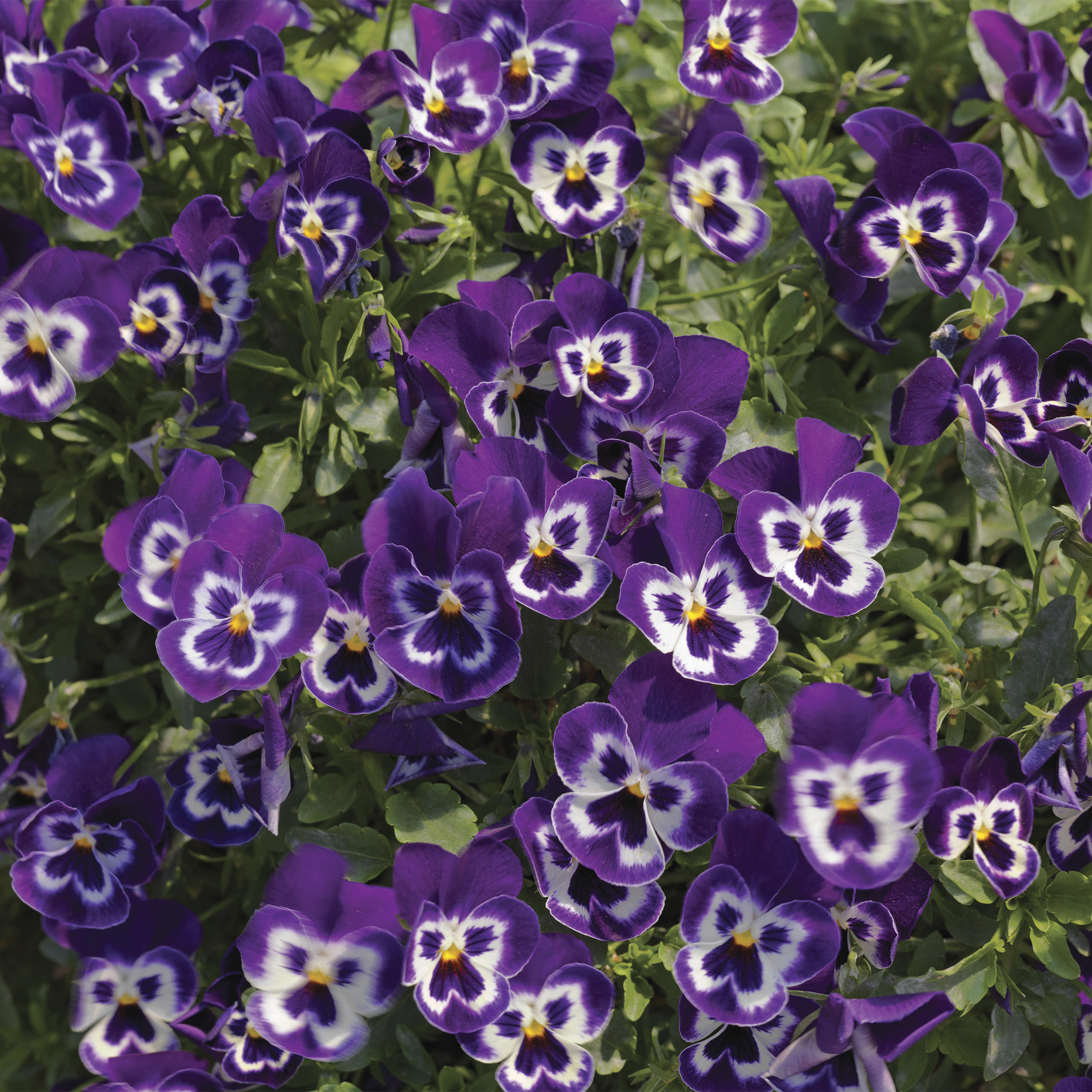
Note: All pansy pictures are taken from Pinterest. No specific photographers were listed.
.
.
Kokako #36, Spring 2022
.
It’s always a joy to have the New Zealand poetry journal, Kokako, publish some of my poetry. For their spring issue, they chose a one-line haiku and two tanka. I hope you enjoy them.
.
.
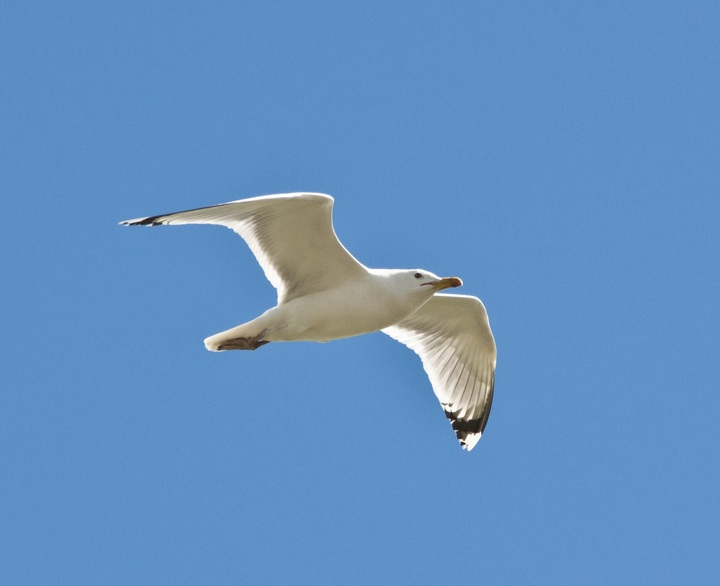
seabirds drift on thermals—night becomes day
.
.
~~~
cassia, lady slippers,
dutchman’s breeches, rue –
my garden becomes
the one circle of friends
I find it hard to leave
.
~~~
.
dark morning
filled with wild winds
that blow the birds awake
& by the crows’ swift,
and sharp reply
The third (and last) tanka published in the latest issue of Gusts:
does inner life
start or end in the heart
I heard it for the first time
in a deep red canyon,
that distant river of me
GUSTS no. 35, Contemporary Tanka,
Spring/Summer 2022 Tanka Canada

Universe by Gerd Altmann
A second tanka published in the spring/summer issue of Gusts:
imagination . . .
the only place it’s always
safe to go and wander,
just the songs of stars
and sweep of ice-drifts
~
GUSTS no. 35, Contemporary Tanka,
Spring/Summer 2022 (Tanka Canada)
In the latest issue of GUSTS, I’m so pleased to have three tanka published. I will enter each of the three poems separately in my blog. Remember, tanka is best read aloud so you can hear the music in the poem.
.
GUSTS no. 35, Contemporary Tanka,
Spring/Summer 2022 (Tanka Canada)
the last camellia
blooms in late winter—
it has taken a lifetime
for me to notice
beauty in myself


Brass Bell March 2022, Theme: Things That Make Us Happy
.
a bit unkempt
this cottage garden,
my inner life
.

Here are some of my recent poems published in various journals.
~
.
Tanka Society of America 2021 Anthology
.
.
whipping egg whites
into the lightest foam . . .
I whisper my gratitude
to four brown eggs
still warm from their nest
.
.
Modern Haiku 53:1. 2022 (one haiku)
waiting for a word
the day moon
dots the sky
Red Lights 2021
A Tanka Sequence by Mary Kendall
(written about our changing world and climate change)
Changes
faced with a world
in harm’s invisible way,
the wild branches
of corkscrew hazel
suddenly ready to sprout
.
.
there was a time
when an oil slick rainbow
made us smile,
but now we see only
a spill of oil, too much oil
.
.
out of the blue
an ivory-billed woodpecker
tapped out its story –
a vanishing act
for us to discover
.
.
British Haiku Society 2021 Members’ Anthology
.
.
deep in meditation
I am no bigger than
a single grain of sand
so easily forgotten,
so easily overlooked
.
.
The Heron’s Nest (fall 2021)
(one haiku)
dust rag
our history
gone in a moment
.
.
Brass Bell February 2022, Theme: One line haiku
.
~
.
saving face a little black mask with or without pearls
.
.
Brass Bell January 2022, Theme: Morning
~
.
cars awash
with cherry blossoms . . .
first light
.
.
Ribbons (Tanka Society of America)
(17.3) 2021
~
.
the barred owls’
caterwauling
startles the night—
all I ever longed for
was a gentle word
.
.
Moonbathing: A Journal of Women’s Tanka
Issue 25, Fall 2021
~
.
tangled arches
of untended rose stalks . . .
the mismatched grace
of old & new and what
it’s like to be forgotten
.
.
Blithe Spirit 31.4
~
.
sitting on your old bed,
I shake out a teddy bear –
dust light scatters
the many memories
of who you once were
.
.
Presence #71 Fall 2022 (two haiku)
~
.
lone crow
never the right place
for outliers
.
.
all winter long
what do they dream about . . .
burrowing frogs
.
.
Eucalypt: A Tanka Journal, Issue 31
Fall 2021
.
.
words float
just beyond hearing
in the dark
foggy woodland
an owl’s call
.
.
Haiku Society of America 2021 Anthology
.
.
that look . . .
a skim coat of ice
in the bird bath
.
(This haiku was first published in Modern Haiku, Volume 49.3, Fall 2018
.
.
Kokako, Issue #35 2021
(three haiku)
~
.
first light –
a faint poem
spun in silk
.
.
summer solstice –
balancing daylight
and starlight
.
.
the broad span
of the copper beech –
my hand in yours
.
.
Haiku Society of America
Frogpond 44:3 Autumn 2021
~
.
plum blossoms—
the orchestra
begins to tune up
.
.
Presence, Issue 70, Summer 2021
(two haiku and one tanka)
.
.
a tom cat at rest –
its tail becomes
a metronome
.
.
scattered thoughts –
a charm of goldfinches
ravishes the sunflowers
.
.
loons submerge
and surface far away –
they say names
are the first words
that disappear
.
.
Moonbathing: A Journal of Women’s Tanka
Issue 24, Summer 2021
.
.
some nights
I wake from a deep sleep
knowing answers
to questions
I never asked
.
.
Eucalypt, A Tanka Journal, Issue 30, 2021
(two tanka)
.
.
sooty spirals
of chimney swifts
chittering as they soar—
so much of our lives
spent following others
.
.
the cold touch
of ebony
and obsidian –
I am no stranger
to your darkness
.

This photo haiga was published in 2016 in Frameless Sky.
Recently I decided to make a few substantial changes to my poetry blog. The first is I have eliminated the space for responses to the poems. From this point on, you can read the poems but can no longer leave a comment. A few of you will be disappointed in this, but most readers will be fine with it. I’ve noticed other poets doing the same thing, so this shouldn’t be too big a surprise.
.
The second change is that sometimes I will cluster poems in a single posting. Up until now, each poem or group of poems published together in a single journal pretty much had its own entry. As I age, I have found myself attending less to this blog. I don’t want to eliminate it, so I think this should be a reasonable compromise.
.
The Covid-19 world pandemic has changed so many habits, practices and expectations. I love to read other poetry blogs and enjoy the great diversity of work out there in the world, but at times it’s hard to keep up with everything. It’s probably the same for all of us in different ways.
.
Poetry should be read at leisure. Read one at a time. Read it out loud. I offer each poem to you as a reader of this blog as a gift from me.
And now, here is the third tanka published in GUSTS, no. 34, Contemporary Tanka, Fall/Winter 2021.
so much silence
during the pandemic year
now punctuated by news
of your cancer—
the silence deepens
.
Here is the second of three tanka published in GUSTS, no. 34, Contemporary Tanka, Fall/Winter 2021.
The pandemic has made all of us look at life and death differently and perhaps more clearly.
one day when I am
long gone from the world,
you’ll find me here
& there among scarlet leaves
or blue damselflies
In the latest issue, GUSTS no. 34, Contemporary Tanka, Fall/Winter 2021, I am lucky enough to have three tanka published. I’ve read through the whole journal twice so far to enjoy the excellent submissions from such a wide variety of poets. Paper journals are especially nice in that you have them at hand when you need something good to read.
Here is one of the tanka I wrote:
growing old together
we make light of losing
thoughts or words –
even now I fall in love
with you again
Like so many other people, the year and a half pandemic has thrown my sense of time way off. I’m so far behind in posting newly published poems on this blog that I find myself now playing catch up. I am both honored and happy to have had such fine journals select some of my work to publish in 2021.
both of us relieved
we made it to this side
of the pandemic –
falling back in love
with spring’s soft greening
Published in Ribbons, Tanka Café, Spring 2021
Published in Blithe Spirit, 31.3 2021
~
A responsive tanka sequence between Mary Kendall (USA) & Hazel Hall (AUS)
The Silent Surprise
a life piled
in a shopping trolley –
the cold
cathedral steps
kept clean and tidy HH
broomcorn gathered
and plaited, tied and cut –
if only the years
had passed so neatly
without much fuss MK
lawn raked free
of twigs and leaves
green bin full
a mob of cockatoos
prunes the trees once more HH
shouts of confusion
and chaos in teargas clouds
that burning need
to make sense
of why we looked away MK
from antique lands
an ancient epic
rewritten
this shattered visage
covered in graffiti HH
the silent surprise
of a bundle of letters
bound in red string
hidden deep
in the endless rubble MK
My thanks go to Hazel Hall, one of my favorite tanka writers in the world. This is our second collaboration in writing a responsive tanka sequence.
Note: Hazel’s verses are in regular type; Mary’s verses are in italics
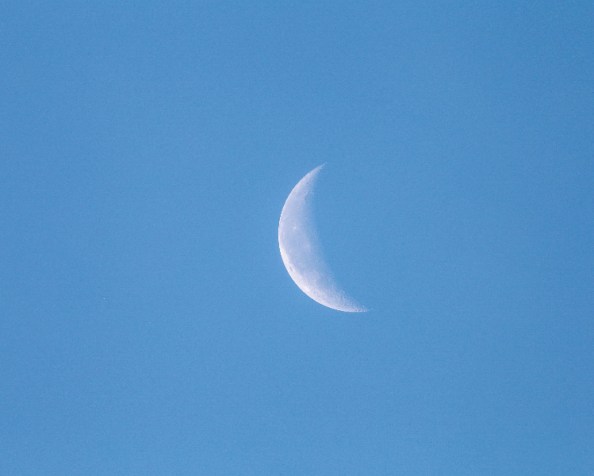
day moon ~
no shadow on
my mammogram
Published: Blithe Spirit 31.3 2021
A haiku or a senryu? I love this poem very much, and I’m so grateful to Caroline Skanne, the editor of Blithe Spirit, for choosing it for publication.
I have always been fascinated with seeing a “day moon.” I’ve always considered it a sign or good luck or something fortunate happening or about to happen. Do you have any thoughts about seeing the moon out during the daylight hours? Is it magical to you? It is for me.
Three poems (two haiku and one tanka) were published in the winter issue of Kokako, 2021. I have a real fondness for this journal because I love all things Kiwi. New Zealand is a beautiful country with such great people. They have a very active poetry community, and Kokako is a beautiful journal to be part of.
1.
snow drifts ~
the wild wind’s
last brief fling
2.
woodland colours
now grow pale
winter light
3.
arranging zinnias
in an old milk jug,
this pandemic silence
urges me to notice
the simplest things
Note: Photo of Zinnias (c) 2021 by Park Seeds
Tanka Café @ Ribbons
Winter 2021: Volume 17, Number 1
it isn’t a matter
of distance for me –
I learned by age five
how to slip deep inside
that passing cloud
.
Tanka poets are always proud to have something published in Ribbons, the journal of the Tanka Society America. It is one of the finest journals out there and it’s devoted to tanka and tanka-related work. Besides the main part of Ribbons, each issue has the Tanka Café, edited by Michael McLintock. Michael is an outstanding poet and was the editor of Ribbons for a long time. For many years he has focused on the Tanka Café, a favorite place for many of us. He puts out a prompt for each issue and poets write to that prompt. He gives us great leeway in how we interpret the prompt. This issue had the theme: Escapes. A great prompt indeed! The poems selected were wonderfully varied and always great to read. I interpreted the theme in my own way of course. It has to do with imagination and how early we can learn to escape to it when we need to get away from things in our real life. My thanks to Michael McLintock for selecting this tanka.
GUSTS: Contemporary Tanka 33 (Tanka Canada)
life as we knew it
vanished in quarantine,
yet tiny helicopters
of maple seeds will twirl
& spin again one day

GUSTS: Contemporary Tanka 33 (Tanka Canada)
tongue tripping
in the Provençal patisserie
I shyly order my first
macarons au marrons
in French

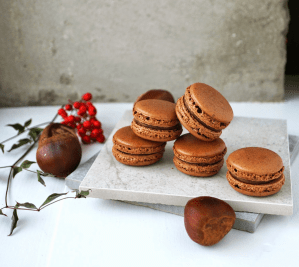
a gathering basket
filled with rosehips & hazels –
why is it so hard
to put back all the bits
and pieces you left behind?
Published in GUSTS: Contemporary Tanka 33 (Tanka Canada)

starry-eyed
the vast galaxy
of a child’s imagination
Published (c) Frogpond, Volume 44.1 Winter 2021

.
.
cutting back roses
before winter sets in …
why must it sometimes
hurt so much
in order to grow?
.
.
Published in Blithe Spirit, 31.1 2021
.
.
.
sleet storm –
a nagging thought
just won’t let go
.
.
.
Published in Blithe Spirit, 31.1 2021
.
.
bleakness –
the lingering taste
of a bad dream
Blithe Spirit, 31.1 2021
.
rough edges worn down
on well-trodden paths,
each cobblestone
a reminder of how far
we’ve travelled
.
.
Published in Eucalypt 29, Winter 2020
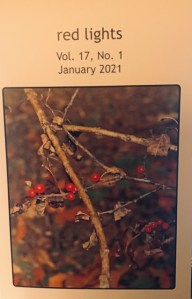
Redlights, Volume 17, No. 1, January 2021

Photography by Autumn Mott Rodeheaver
whirlwinds of scarlet
and ochre leaves
flit across the square –
days of self-isolation spent
learning to slow down
Redlights, Volume 17, No. 1, January 2021
a red-bellied woodpecker
flaunts his drumming skills—
below his tree I pause
to feel his thunder,
to hear his words
Moonbathing, Issue 23, Fall/Winter 2020
hot roasted nuts
heaped into a paper cone –
all that burning anger
you hold onto
so tightly
Photograph by Monika Topolko
As an aside, I am realizing my age is showing. Do young people today even know about folks roasting chestnuts (or other nuts) and buying a brown paper cone full of piping hot nuts to eat on the street? I first came across this in Istanbul when I was young. The scent, heat, taste on a chilly autumn afternoon was one of those moments that has stayed with me all my life. Europeans had this custom, but does anyone still do this? The fragrance was so tempting.
And yet another dream poem ~
Blithe Spirit, 30.4
dream time –
chasing blossom
after blossom

Photo by laura adai on Unsplash
My thanks to Laura Adai for this beautiful photograph of drifting blossoms.
Presence Issue 68, November 2020
winter nights—
dreaming of blackbirds
on snow


My thanks to the editors at Presence for publishing this haiku.
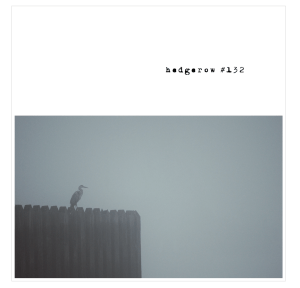
I am blessed with another haiku published in a favorite journal I love to read: hedgerow: a journal of small poems, issue # 132
September roses
the stone wall
hidden between us

(c) 2020 Mary Kendall

Ribbons 16:3 (fall 2020)
ghosting myself
by looking away . . .
the mirror
no longer a friend
I care to see
(c) Mary Kendall, 2020
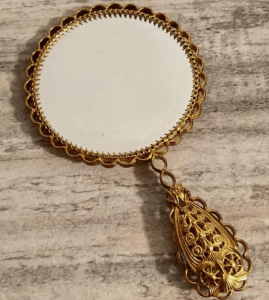
Note: This pretty hand mirror was crafted in Germany and sold on Etsy.com.
The Heron’s Nest, XXII.4, December 2020 published one of my haiku:
snow day–
a crackle of fire
in our stories


So careful a gardener, he patiently weeds between the pebbles.
This tanka is dedicated to my dear husband, Ritchie Kendall.
each day you kneel
and work in the garden
I can think of nothing
more prayer-like
than this
Published in the Tanka Society of America Members’ 2020 Anthology.
.
the chiming clock
begins to wind down . . .
five months of quarantine
yet still the roses bloom
and red birds sing
.
This tanka was published in October, but obviously was written in early summer. We are now nine months into this pandemic. Writing is a wonderful relief as we isolate ourselves. Like so many poets, I find my writing has been changed by the pandemic.
cattails:
The Official Journal of the United Haiku and Tanka Society, October 2020 issue

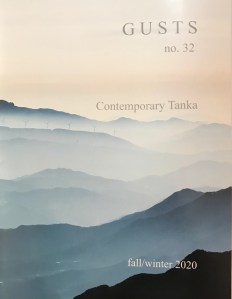
Here is the third of my three tanka published in the latest issue of Gusts no. 32, Fall/Winter 2020:
even the crows
are quiet now . . .
the sudden silence
that morning snow
brings

Here’s the second tanka published in
Gusts no. 32, Fall/Winter 2020
pale pink petals
scattered on the desk
one by one the days
of isolation pass,
each fading to nothing

Three tanka published in the winter edition of Gusts, Contemporary Tanka, the journal of Tanka Canada. It’s always a huge thrill to be included in this special journal of tanka. I’ll offer them one at a time.
Gusts no. 32, Fall/Winter 2020
lapis lazuli, delft blue
and French ultramarine . . .
the blueness of blue
in these tired veins
just won’t let go

forgetfulness—
soft feathers drift out
of a poultry truck
~ ~
Published in Frogpond vol. 43:3 fall 2020

Frogpond is the journal of the Haiku Society of America
Today I realized I’d forgotten to post a number of poems published this year (2020), so here they are. I hope you enjoy reading them.
Ribbons 16:2 (spring 2020)
.
icebergs drift and melt
and furious fires rage
will this earth dissolve
into rivulets
of decisions poorly made?
~
Frameless Sky, Issue 12, 2020
soft ripe plums
sitting on the sideboard ~
wouldn’t it lovely
to know you’re
so desiredPresence 66
.
tiny fledglings
with wings outstretched
take that first leap—
how old were we
when doubt began~
wind spilling
from copper rain bells
unbroken drought.
~
impossible
to count them
fireflies
I am delighted to have one tanka and two haiku in the latest issue of Presence:
Presence, Issue 67, July 2020
bitter wind
the maple’s heart
still frozen
~
once so innocent
we had to make up sins
. . . first confession
~
I tried to bury
those memories
for so long…
the raw scent
of freshly plowed earth

The second of two tanka appearing Eucalypt: A Tanka Journal,
Issue 28, 2020
sea glass in cerulean,
aqua and seafoam green
wash up in the morning tide,
mysteries I gently place
in this pail of dreams


One of two tanka appearing Eucalypt: A Tanka Journal, Issue 28, 2020
in the attic I find
your small Wellies
with little frog faces—
oh, those happy puddles
when you were only three
Note: We lived near Hampstead Heath in NW London for a full academic year, 1989-90, with our (then) three year old son, Adam. Oh, how he loved rain puddles and stomping in them in his little green Wellies. Getting exercise each day was never a problem with a child who loved the outdoors no matter what the weather. This poem is for him.
Moonbathing 22, Spring 2020
a faint train whistle
passing by at 3 a.m.
. . . the only normal thing
in these pandemic nights
that makes any sense

Milkweed by James DeMers (pixabay.com)
These tanka were written during the quarantine of Covid-19. My thanks to editor/poet, Marilyn Hazelton, for persuading me to combine some tanka into a tanka sequence. A really good editor is priceless. It’s always an honor to have poems included in Redlights. Click on the link below if you care to hear me read it.
Half-light
August morning
just before the katydids
begin to sing . . .
the lake finally calm
with no ripples
milkweed seeds
scatter straight from
the cottony pod ~
such freedom to go
anywhere, everywhere
a spoon slowly stirs
cream into coffee
those quiet moments
when we lose
all sense of now
arm in arm
we walk together –
forty years & more miles
than either of us
can count
half-light—
walking in fog
where nothing is seen
but somehow we trust
it’s still all there
Red Lights, Summer Issue 2020
.
What a very nice surprise! I am one of the top contributors to Prune Juice, a journal every haiku and senryu/kyoka poet knows and loves. What a thrill to be included with such excellent senryu poets.
.
Many thanks to the great editors: Brent Goodman (current editor); past editors are: Steve Hodge (2016 – 2018); Terri L. French (2013 – 2015); Liam Wilkinson (2010 – 2012); Alexis Rotella ( 2009)
.
Here’s a link to the whole anthology: pj-book-of-senryu
.
The PRUNE JUICE BOOK of SENRYU celebrates 10 years of the finest English Senryu from around the world by 85 of our TOP Contributors, featuring 337 poems plucked from the journal’s first 29 issues by past and current Prune Juice editors.
.
Here are mine that they published:
.
Mary Kendall – USA
12 issues
.
your tumor growing we worry about the snow
.
#18 2016
.
Reiki session . . .
feeling so
out of touch
.
#20 2016
.
beginner’s yoga class . . .
our first sun salutation
eclipsed by the teacher
.
#22 2017
.
promises not kept —
that umbrella you gave me
blows inside out
.
#23 2017
.
defined
by their parameters
love triangle
.
#29 2019
.
Prune Juice Book of Senryu: Celebrating 10 Years: 2009 – 2019 Copyright © 2020 Prune Juice
p. 94
.


the slow hiss
and sudden pop
of a pinecone in fire—
admitting the mistake
is a first step
*
had you lived
we’d almost be twins,
two sisters
so close in time
we nearly touched
*
this urge
to turn and walk away
chokecherry
Mary Kendall (c) 2020
Kokako 32, 2020, a journal of the New Zealand Poetry Society
My thanks to the editors of Kokako for publishing all three poems.
sleepless—
I turn and watch
the moon watch me
Acorn: A Journal of Contemporary Haiku, #44, Spring 2020 issue
This tanka was published in Hedgerow, a journal of small poems ~ #130, Winter 2020
we turn away
from all we just can’t face—
the glistening red
of a vulture’s head
emerges from a carcass
Poet’s note:
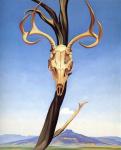
Out of decay comes art and beauty. Look what artist Georgia O’Keefe created from a skull found where she lived in New Mexico. All is part of nature and is nature.

Deer’s Skull with Pedernal by Georgia O’Keefe (c) 1936
Where I live in central North Carolina, we have plenty of black vultures and turkey vultures. They circle and gather in the sky when there is carrion to be had. I chose this topic for the tanka because it’s a scene I’ve seen more than once. Yes, it’s not a pretty sight. Vultures, especially when eating a dead animal or gathering in a group in a tree or abandoned house do give you shivers. Something in us seems to respond with at least a momentary revulsion. However, I’m a bird lover and I try to see how a specific species fits into the scheme of things. Vultures and crows do eat carrion, the flesh of dead animals, often of roadkill along our roads and streets. They perform a good service by eating their meal and cleaning the mess up. Imagine all those dead animals left to rot. So these birds help us as they go about their business (albeit unpleasant business to us). They are birds we should appreciate for their useful role in nature. They also offer us a wonderful metaphor.
My thanks to editor, Caroline Skanne for being the one editor who chose to publish this poem.
Synesthesia in haiku ~
This haiku was recently published in Hedgerow, a journal of small poems ~ #130, Winter 2020
spring…
hearing green
and only green

Haru = Spring
Prune Juice, Journal of Senryu, Kyoka, Haibun & Haiga
Issue #30, March 2020
both parents
dead at sixty one –
imagine my surprise
the day I turned
sixty-two
Published in Modern Haiku, Winter-Spring, Issue 50:4, 2019
the bite of winter wind
all this murmuring
but no words

Redlights, Volume 16, No. 1, January 2020
a gradual loss
of peripheral vision
leaves it all unclear
why is it that the brain
still searches for the edge
~
underlined passages
in a library book –
I idle away an hour
puzzling why a reader
chose those words
The Heron’s Nest
Volume XXII, Number 1: March 2020
snow melt
a trickle of caribou
comes to an end
Published in Gusts 31 (Spring/Summer 2020), Tanka Canada
Three tanka written and read by Mary Kendall (click on link):
how do I tell you
about the darkness
that embraces me,
uninvited
unwanted
~
a loose shutter
flaps in the storm ~
times when it’s so easy
to lose names, numbers
and where to go
~
the morning spent
ripping out
wild honeysuckle vines . . .
no matter how hard I try
you turn a deaf ear
A Thousand Voices,
2019 Tanka Society of America Member’s Anthology
sweet peas,
crab apple blossoms
and old roses—
for part of each day
I become my mother
What a nice surprise to find one of my tanka included in this beautiful exhibition at the Bristol Museum & Art Gallery in the UK.
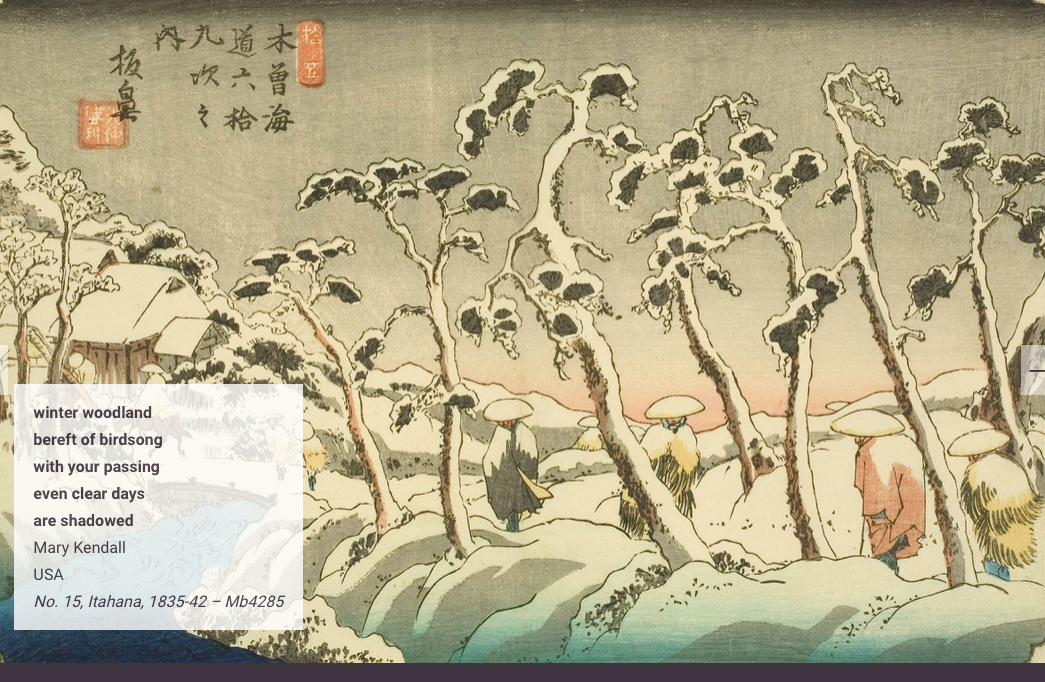
“In autumn 2019, poets from around the world responded to a call for haiku, a form of short Japanese poetry, based on Japanese prints in the collection at Bristol Museum & Art Gallery. People sent in more than 800 beautiful, thought-provoking poems from thirty countries worldwide. See the selection below.
Many poems were inspired by woodblock prints in our popular 2018-2019 exhibition series, Masters of Japanese Prints.
The project was arranged by haiku poets Alan Summers and Karen Hoy of creative writing consultancy Call of the Page.” (Quoted from the Bristol Museum & Art Gallery website)

Bristol Museum & Art Gallery, Bristol, UK
winter woodland
bereft of birdsong
with your passing
even clear days
are shadowed
My thanks to Alan Summers and Karen Hoy who oversaw this project. Over 800 poems were submitted. Congratulations to all who were chosen to be part of this exhibition.
Link to the exhibition: https://exhibitions.bristolmuseums.org.uk/japanese-prints/haikus/
Note: You have to click on all the small pictures in order to open many of the prints and poems. Read them all and enjoy!
Published in FROGPOND, Volume 43:1, Winter 2020:
widowhood
day blurs into evening
into night . . .

Woods Hole, MA – 3/30/14

I don’t enter many poetry contests, but I do love to see what entries win or place in contests/competitions I enjoy and admire. There is always so much to learn from other writers, of course, and it is always an inspiration to see what others produce.
One competition I really wanted to enter was the Fourth Annual Jane Reichhold Memorial Haiga Competition, which is co-hosted by Failed Haiku and Prune Juice, two of the very finest Senryu journals around. It is divided into two groups: the Traditional (i.e., with original drawn art) Category (judged by Ron C. Moss) and the Photographic/Mixed Media Category (judged by Steve Hodge). My two entries were in the second category using photographs I had taken. One was left untouched and the other was embellished by some art programs I enjoy using on my iPad.
Imagine my surprise when I found out one of my entries won First Place in the Photographic/Mixed Media Category and the other one got an Honorable Mention! Yes, I was over the moon. It’s a double honor indeed. All the other entries selected in both categories were wonderful. I really can’t imagine how an editor selects one over another, but they do. My thanks to editor, Steve Hodge for selecting both of my haiga in this competition. I am deeply honored. Thanks also to Mike Rehling and Brent Goodman who edit Failed Haiku and Prune Juice.
I’ve included the comments of the editor because it’s always great to hear someone else’s interpretation and response to a poem.


it took sixty years
to find the voice I’d lost–
that day
blue dragonflies
alighted at water’s edge
Moonbathing, a Journal of Women’s Tanka, Fall/Winter 2019.
Edited by Pamela A. Babusci
Two tanka were published in
Eucalypt Issue 27, 2019
miscarriage—
the very word
betrays
the promise
of hope
![]()
persimmon sun
dips low and sets –
moonlight on the bed
where I was born
& where my father died

Dove photo by Merlune
defined
by their parameters
love triangle.
.
.
Prune Juice, Journal of Senryu, Kyoka, Haibun & Haiga
Issue 29, November 29
One haiku and one tanka were published in Presence, Issue #65, 2019
cat’s tongue
the shallow rasp
of a scar
* * *
tree bark
kissed by wind—
out of the blue
a memory of you
appears
Blithe Spirit 29:4, 2019 (two tanka)
the familiar scent
of lemon oil rubbed
on old wood –
a new cat finds a place
in your empty chair
* * *
on the ground
a nest of hatchlings
fallen from a tree –
how well you always
hid your pain
Modern Haiku, Issue 50:3, 2019
pruning roses
unable to forget her
scarred wrists
The Heron’s Nest, Volume XXI, Number 3: September 2019
dementia
the soft clay begins
to harden
Three tanka were published in the last issue of
Gusts, Contemporary Tanka No. 30, Fall/Winter 2019
as Geminids flit by
in the inky darkness
I pull your jacket tight
around myself
. . . all I have left
∼ ∼ ∼
ripeness
bears its own burden . . .
fragrant peaches
dangle low
bruises a breath away
∼ ∼ ∼
in old growth grass
a newborn fawn
wobbles on spindly legs –
a sure reminder
how brief a season is
KOKAKO 31 , 2019, a journal of the New Zealand Poetry Society

first apricots
the baby’s soft breath
in my ear
~
moonflower
night after night
that same dream
~
barely a whisper
between daylight
and nightfall
when shadows
hide in darkness